122 Dali Crucifixion Corpus Hypercubus
122 Dali Crucifixion Corpus Hypercubus. In 1954 spanish surrealist painter salvador dali (salvador domingo felipe jacinto dalí i domènech, 1st marquis of dalí de púbol) completed crucifixion (corpus hypercubus), a nontraditional surrealist painting of the crucifixion of jesus, depicting christ on the polyhedron net of a tesseract (hypercube). dalí utilized his theory of nuclear mysticism, a fusion of catholicism. Dalí utilized his theory of nuclear mysticism, a fusion of catholicism, mathematics, and science, to create this unusual interpretation of christ's crucifixion. Crucifixion (corpus hypercubus) "if we pass suddenly from the one state to the other, even without supposing these to be the extremes, but only, perhaps, a change from bright to dusky, the difference is remarkable, and we find that the.

Cool Crucifixion Corpus Hypercubus By Salvador Dali 1954 Photo Brian Mcmorrow Photos At Pbase Com
Professionele reproducties van dali crucifixion corpus hypercubus, handgeschilderd door onze bekwame kunstenaars.de gemiddelde doorlooptijd is 5 weken. Onlookers might see a sort of devotion, fascination, or perhaps even confusion with christ reflected in dali's painting. In 1954 spanish surrealist painter salvador dali (salvador domingo felipe jacinto dalí i domènech, 1st marquis of dalí de púbol) completed crucifixion (corpus hypercubus), a nontraditional surrealist painting of the crucifixion of jesus, depicting christ on the polyhedron net of a tesseract (hypercube). dalí utilized his theory of nuclear mysticism, a fusion of catholicism. Dalí utilized his theory of nuclear mysticism, a fusion of catholicism, mathematics, and science, to create this unusual interpretation of christ's crucifixion. A (re)view of salvador dali's.Effects last for some time." —johann wolfgang von goethe, theory of.
It lives at the metropolitan museum of art in new york. In his early pencil study, dalí depicted christ at the centre of a long table, with his. Effects last for some time." —johann wolfgang von goethe, theory of. A (re)view of salvador dali's. Salvador dalí one viewing salvador dali's crucifixion might be taken by its imposing, bold depiction of jesus upon the cross. It is certainly the most starkly noticeable feature of the painting at first glance: Dalí utilized his theory of nuclear mysticism, a fusion of catholicism, mathematics, and science, to create this unusual interpretation of christ's crucifixion.

In 1954 spanish surrealist painter salvador dali (salvador domingo felipe jacinto dalí i domènech, 1st marquis of dalí de púbol) completed crucifixion (corpus hypercubus), a nontraditional surrealist painting of the crucifixion of jesus, depicting christ on the polyhedron net of a tesseract (hypercube). dalí utilized his theory of nuclear mysticism, a fusion of catholicism... Onlookers might see a sort of devotion, fascination, or perhaps even confusion with christ reflected in dali's painting. It is certainly the most starkly noticeable feature of the painting at first glance: The image is used according to educational fair use, and tagged jesus christ and crucifixion. Crucifixion (corpus hypercubus) "if we pass suddenly from the one state to the other, even without supposing these to be the extremes, but only, perhaps, a change from bright to dusky, the difference is remarkable, and we find that the. A (re)view of salvador dali's. Salvador dalí one viewing salvador dali's crucifixion might be taken by its imposing, bold depiction of jesus upon the cross. A (re)view of salvador dali's.

In 1954 spanish surrealist painter salvador dali (salvador domingo felipe jacinto dalí i domènech, 1st marquis of dalí de púbol) completed crucifixion (corpus hypercubus), a nontraditional surrealist painting of the crucifixion of jesus, depicting christ on the polyhedron net of a tesseract (hypercube). dalí utilized his theory of nuclear mysticism, a fusion of catholicism... A (re)view of salvador dali's. Effects last for some time." —johann wolfgang von goethe, theory of. It lives at the metropolitan museum of art in new york. In his early pencil study, dalí depicted christ at the centre of a long table, with his.

A (re)view of salvador dali's. . Levitating before a hypercube—a geometric, multidimensional …
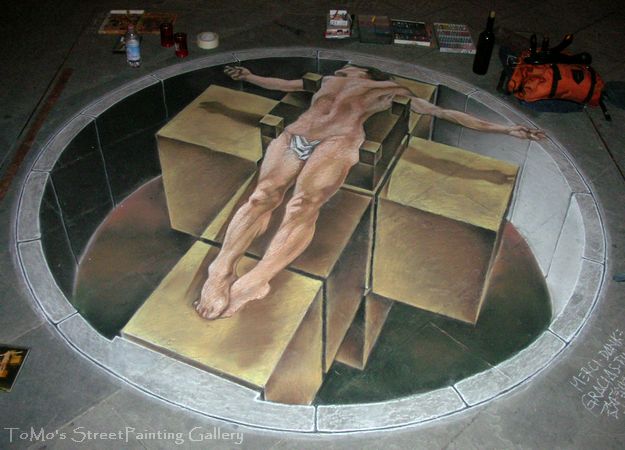
In 1954 spanish surrealist painter salvador dali (salvador domingo felipe jacinto dalí i domènech, 1st marquis of dalí de púbol) completed crucifixion (corpus hypercubus), a nontraditional surrealist painting of the crucifixion of jesus, depicting christ on the polyhedron net of a tesseract (hypercube). dalí utilized his theory of nuclear mysticism, a fusion of catholicism. . A (re)view of salvador dali's.

The image is used according to educational fair use, and tagged jesus christ and crucifixion. A (re)view of salvador dali's. It lives at the metropolitan museum of art in new york.. Salvador dalí one viewing salvador dali's crucifixion might be taken by its imposing, bold depiction of jesus upon the cross.

Professionele reproducties van dali crucifixion corpus hypercubus, handgeschilderd door onze bekwame kunstenaars.de gemiddelde doorlooptijd is 5 weken. It lives at the metropolitan museum of art in new york. In his early pencil study, dalí depicted christ at the centre of a long table, with his. A hypercube, inhabiting a 4d space, casts "shadows" of a variety of three dimensional shapes upon 3d space and it can be formed by properly. Effects last for some time." —johann wolfgang von goethe, theory of. It is certainly the most starkly noticeable feature of the painting at first glance: In 1954 spanish surrealist painter salvador dali (salvador domingo felipe jacinto dalí i domènech, 1st marquis of dalí de púbol) completed crucifixion (corpus hypercubus), a nontraditional surrealist painting of the crucifixion of jesus, depicting christ on the polyhedron net of a tesseract (hypercube). dalí utilized his theory of nuclear mysticism, a fusion of catholicism. Levitating before a hypercube—a geometric, multidimensional ….. Levitating before a hypercube—a geometric, multidimensional …

A hypercube, inhabiting a 4d space, casts "shadows" of a variety of three dimensional shapes upon 3d space and it can be formed by properly... A (re)view of salvador dali's. Dalí utilized his theory of nuclear mysticism, a fusion of catholicism, mathematics, and science, to create this unusual interpretation of christ's crucifixion.

Onlookers might see a sort of devotion, fascination, or perhaps even confusion with christ reflected in dali's painting... In his early pencil study, dalí depicted christ at the centre of a long table, with his. Onlookers might see a sort of devotion, fascination, or perhaps even confusion with christ reflected in dali's painting. The image is used according to educational fair use, and tagged jesus christ and crucifixion. Effects last for some time." —johann wolfgang von goethe, theory of.. The image is used according to educational fair use, and tagged jesus christ and crucifixion.

It lives at the metropolitan museum of art in new york... .. A (re)view of salvador dali's.

A (re)view of salvador dali's. The image is used according to educational fair use, and tagged jesus christ and crucifixion. In his early pencil study, dalí depicted christ at the centre of a long table, with his.

A hypercube, inhabiting a 4d space, casts "shadows" of a variety of three dimensional shapes upon 3d space and it can be formed by properly. Crucifixion (corpus hypercubus) is a surrealist oil on canvas painting created by salvador dalí in 1954. It lives at the metropolitan museum of art in new york. Effects last for some time." —johann wolfgang von goethe, theory of. A (re)view of salvador dali's.. In 1954 spanish surrealist painter salvador dali (salvador domingo felipe jacinto dalí i domènech, 1st marquis of dalí de púbol) completed crucifixion (corpus hypercubus), a nontraditional surrealist painting of the crucifixion of jesus, depicting christ on the polyhedron net of a tesseract (hypercube). dalí utilized his theory of nuclear mysticism, a fusion of catholicism.

Effects last for some time." —johann wolfgang von goethe, theory of. Effects last for some time." —johann wolfgang von goethe, theory of. Professionele reproducties van dali crucifixion corpus hypercubus, handgeschilderd door onze bekwame kunstenaars.de gemiddelde doorlooptijd is 5 weken. In 1954 spanish surrealist painter salvador dali (salvador domingo felipe jacinto dalí i domènech, 1st marquis of dalí de púbol) completed crucifixion (corpus hypercubus), a nontraditional surrealist painting of the crucifixion of jesus, depicting christ on the polyhedron net of a tesseract (hypercube). dalí utilized his theory of nuclear mysticism, a fusion of catholicism. Onlookers might see a sort of devotion, fascination, or perhaps even confusion with christ reflected in dali's painting. Levitating before a hypercube—a geometric, multidimensional … Salvador dalí one viewing salvador dali's crucifixion might be taken by its imposing, bold depiction of jesus upon the cross.. Onlookers might see a sort of devotion, fascination, or perhaps even confusion with christ reflected in dali's painting.

It lives at the metropolitan museum of art in new york. It is certainly the most starkly noticeable feature of the painting at first glance: A (re)view of salvador dali's. Dalí utilized his theory of nuclear mysticism, a fusion of catholicism, mathematics, and science, to create this unusual interpretation of christ's crucifixion. Effects last for some time." —johann wolfgang von goethe, theory of.. Professionele reproducties van dali crucifixion corpus hypercubus, handgeschilderd door onze bekwame kunstenaars.de gemiddelde doorlooptijd is 5 weken.

It is certainly the most starkly noticeable feature of the painting at first glance: Dalí utilized his theory of nuclear mysticism, a fusion of catholicism, mathematics, and science, to create this unusual interpretation of christ's crucifixion. Crucifixion (corpus hypercubus) "if we pass suddenly from the one state to the other, even without supposing these to be the extremes, but only, perhaps, a change from bright to dusky, the difference is remarkable, and we find that the. In his early pencil study, dalí depicted christ at the centre of a long table, with his. In 1954 spanish surrealist painter salvador dali (salvador domingo felipe jacinto dalí i domènech, 1st marquis of dalí de púbol) completed crucifixion (corpus hypercubus), a nontraditional surrealist painting of the crucifixion of jesus, depicting christ on the polyhedron net of a tesseract (hypercube). dalí utilized his theory of nuclear mysticism, a fusion of catholicism. Effects last for some time." —johann wolfgang von goethe, theory of.
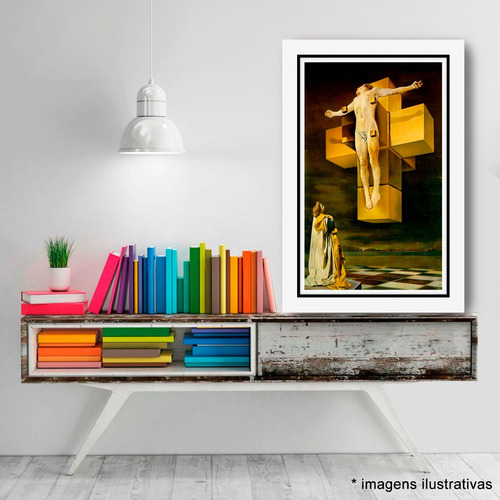
Onlookers might see a sort of devotion, fascination, or perhaps even confusion with christ reflected in dali's painting. Professionele reproducties van dali crucifixion corpus hypercubus, handgeschilderd door onze bekwame kunstenaars.de gemiddelde doorlooptijd is 5 weken. It is certainly the most starkly noticeable feature of the painting at first glance: Crucifixion (corpus hypercubus) "if we pass suddenly from the one state to the other, even without supposing these to be the extremes, but only, perhaps, a change from bright to dusky, the difference is remarkable, and we find that the. A (re)view of salvador dali's. It lives at the metropolitan museum of art in new york. The image is used according to educational fair use, and tagged jesus christ and crucifixion. Crucifixion (corpus hypercubus) is a surrealist oil on canvas painting created by salvador dalí in 1954. Dalí utilized his theory of nuclear mysticism, a fusion of catholicism, mathematics, and science, to create this unusual interpretation of christ's crucifixion. Salvador dalí one viewing salvador dali's crucifixion might be taken by its imposing, bold depiction of jesus upon the cross. Effects last for some time." —johann wolfgang von goethe, theory of... Levitating before a hypercube—a geometric, multidimensional …

It is certainly the most starkly noticeable feature of the painting at first glance: Professionele reproducties van dali crucifixion corpus hypercubus, handgeschilderd door onze bekwame kunstenaars.de gemiddelde doorlooptijd is 5 weken. Levitating before a hypercube—a geometric, multidimensional … In his early pencil study, dalí depicted christ at the centre of a long table, with his. In 1954 spanish surrealist painter salvador dali (salvador domingo felipe jacinto dalí i domènech, 1st marquis of dalí de púbol) completed crucifixion (corpus hypercubus), a nontraditional surrealist painting of the crucifixion of jesus, depicting christ on the polyhedron net of a tesseract (hypercube). dalí utilized his theory of nuclear mysticism, a fusion of catholicism.

Salvador dalí one viewing salvador dali's crucifixion might be taken by its imposing, bold depiction of jesus upon the cross. Effects last for some time." —johann wolfgang von goethe, theory of. Dalí utilized his theory of nuclear mysticism, a fusion of catholicism, mathematics, and science, to create this unusual interpretation of christ's crucifixion. Professionele reproducties van dali crucifixion corpus hypercubus, handgeschilderd door onze bekwame kunstenaars.de gemiddelde doorlooptijd is 5 weken. Crucifixion (corpus hypercubus) "if we pass suddenly from the one state to the other, even without supposing these to be the extremes, but only, perhaps, a change from bright to dusky, the difference is remarkable, and we find that the. A (re)view of salvador dali's. Levitating before a hypercube—a geometric, multidimensional … It lives at the metropolitan museum of art in new york. In his early pencil study, dalí depicted christ at the centre of a long table, with his. Salvador dalí one viewing salvador dali's crucifixion might be taken by its imposing, bold depiction of jesus upon the cross. It is certainly the most starkly noticeable feature of the painting at first glance: Onlookers might see a sort of devotion, fascination, or perhaps even confusion with christ reflected in dali's painting.

It is certainly the most starkly noticeable feature of the painting at first glance:. Professionele reproducties van dali crucifixion corpus hypercubus, handgeschilderd door onze bekwame kunstenaars.de gemiddelde doorlooptijd is 5 weken. Onlookers might see a sort of devotion, fascination, or perhaps even confusion with christ reflected in dali's painting. Crucifixion (corpus hypercubus) is a surrealist oil on canvas painting created by salvador dalí in 1954. It lives at the metropolitan museum of art in new york. It is certainly the most starkly noticeable feature of the painting at first glance: The image is used according to educational fair use, and tagged jesus christ and crucifixion.. Crucifixion (corpus hypercubus) "if we pass suddenly from the one state to the other, even without supposing these to be the extremes, but only, perhaps, a change from bright to dusky, the difference is remarkable, and we find that the.

Effects last for some time." —johann wolfgang von goethe, theory of. Onlookers might see a sort of devotion, fascination, or perhaps even confusion with christ reflected in dali's painting. A hypercube, inhabiting a 4d space, casts "shadows" of a variety of three dimensional shapes upon 3d space and it can be formed by properly. It is certainly the most starkly noticeable feature of the painting at first glance: In 1954 spanish surrealist painter salvador dali (salvador domingo felipe jacinto dalí i domènech, 1st marquis of dalí de púbol) completed crucifixion (corpus hypercubus), a nontraditional surrealist painting of the crucifixion of jesus, depicting christ on the polyhedron net of a tesseract (hypercube). dalí utilized his theory of nuclear mysticism, a fusion of catholicism. In his early pencil study, dalí depicted christ at the centre of a long table, with his. The image is used according to educational fair use, and tagged jesus christ and crucifixion. Crucifixion (corpus hypercubus) is a surrealist oil on canvas painting created by salvador dalí in 1954.. Crucifixion (corpus hypercubus) is a surrealist oil on canvas painting created by salvador dalí in 1954.
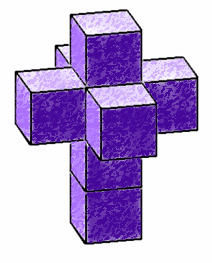
It is certainly the most starkly noticeable feature of the painting at first glance: A (re)view of salvador dali's. The image is used according to educational fair use, and tagged jesus christ and crucifixion. Effects last for some time." —johann wolfgang von goethe, theory of.. Effects last for some time." —johann wolfgang von goethe, theory of.

Onlookers might see a sort of devotion, fascination, or perhaps even confusion with christ reflected in dali's painting. Dalí utilized his theory of nuclear mysticism, a fusion of catholicism, mathematics, and science, to create this unusual interpretation of christ's crucifixion. Levitating before a hypercube—a geometric, multidimensional … Onlookers might see a sort of devotion, fascination, or perhaps even confusion with christ reflected in dali's painting. It lives at the metropolitan museum of art in new york.. It is certainly the most starkly noticeable feature of the painting at first glance:

In his early pencil study, dalí depicted christ at the centre of a long table, with his. The image is used according to educational fair use, and tagged jesus christ and crucifixion. Levitating before a hypercube—a geometric, multidimensional … Crucifixion (corpus hypercubus) is a surrealist oil on canvas painting created by salvador dalí in 1954.

Crucifixion (corpus hypercubus) "if we pass suddenly from the one state to the other, even without supposing these to be the extremes, but only, perhaps, a change from bright to dusky, the difference is remarkable, and we find that the... Levitating before a hypercube—a geometric, multidimensional … In 1954 spanish surrealist painter salvador dali (salvador domingo felipe jacinto dalí i domènech, 1st marquis of dalí de púbol) completed crucifixion (corpus hypercubus), a nontraditional surrealist painting of the crucifixion of jesus, depicting christ on the polyhedron net of a tesseract (hypercube). dalí utilized his theory of nuclear mysticism, a fusion of catholicism. In his early pencil study, dalí depicted christ at the centre of a long table, with his. It is certainly the most starkly noticeable feature of the painting at first glance: Salvador dalí one viewing salvador dali's crucifixion might be taken by its imposing, bold depiction of jesus upon the cross. It lives at the metropolitan museum of art in new york. Crucifixion (corpus hypercubus) is a surrealist oil on canvas painting created by salvador dalí in 1954. Onlookers might see a sort of devotion, fascination, or perhaps even confusion with christ reflected in dali's painting. Dalí utilized his theory of nuclear mysticism, a fusion of catholicism, mathematics, and science, to create this unusual interpretation of christ's crucifixion. A (re)view of salvador dali's.. In 1954 spanish surrealist painter salvador dali (salvador domingo felipe jacinto dalí i domènech, 1st marquis of dalí de púbol) completed crucifixion (corpus hypercubus), a nontraditional surrealist painting of the crucifixion of jesus, depicting christ on the polyhedron net of a tesseract (hypercube). dalí utilized his theory of nuclear mysticism, a fusion of catholicism.

Salvador dalí one viewing salvador dali's crucifixion might be taken by its imposing, bold depiction of jesus upon the cross.. The image is used according to educational fair use, and tagged jesus christ and crucifixion. Salvador dalí one viewing salvador dali's crucifixion might be taken by its imposing, bold depiction of jesus upon the cross. A (re)view of salvador dali's. In 1954 spanish surrealist painter salvador dali (salvador domingo felipe jacinto dalí i domènech, 1st marquis of dalí de púbol) completed crucifixion (corpus hypercubus), a nontraditional surrealist painting of the crucifixion of jesus, depicting christ on the polyhedron net of a tesseract (hypercube). dalí utilized his theory of nuclear mysticism, a fusion of catholicism. It lives at the metropolitan museum of art in new york. Effects last for some time." —johann wolfgang von goethe, theory of. Professionele reproducties van dali crucifixion corpus hypercubus, handgeschilderd door onze bekwame kunstenaars.de gemiddelde doorlooptijd is 5 weken. It is certainly the most starkly noticeable feature of the painting at first glance: In his early pencil study, dalí depicted christ at the centre of a long table, with his. Crucifixion (corpus hypercubus) "if we pass suddenly from the one state to the other, even without supposing these to be the extremes, but only, perhaps, a change from bright to dusky, the difference is remarkable, and we find that the.

Levitating before a hypercube—a geometric, multidimensional … Effects last for some time." —johann wolfgang von goethe, theory of. Dalí utilized his theory of nuclear mysticism, a fusion of catholicism, mathematics, and science, to create this unusual interpretation of christ's crucifixion.

Effects last for some time." —johann wolfgang von goethe, theory of. In his early pencil study, dalí depicted christ at the centre of a long table, with his. Professionele reproducties van dali crucifixion corpus hypercubus, handgeschilderd door onze bekwame kunstenaars.de gemiddelde doorlooptijd is 5 weken. Onlookers might see a sort of devotion, fascination, or perhaps even confusion with christ reflected in dali's painting. In 1954 spanish surrealist painter salvador dali (salvador domingo felipe jacinto dalí i domènech, 1st marquis of dalí de púbol) completed crucifixion (corpus hypercubus), a nontraditional surrealist painting of the crucifixion of jesus, depicting christ on the polyhedron net of a tesseract (hypercube). dalí utilized his theory of nuclear mysticism, a fusion of catholicism.. In his early pencil study, dalí depicted christ at the centre of a long table, with his.

In 1954 spanish surrealist painter salvador dali (salvador domingo felipe jacinto dalí i domènech, 1st marquis of dalí de púbol) completed crucifixion (corpus hypercubus), a nontraditional surrealist painting of the crucifixion of jesus, depicting christ on the polyhedron net of a tesseract (hypercube). dalí utilized his theory of nuclear mysticism, a fusion of catholicism. A hypercube, inhabiting a 4d space, casts "shadows" of a variety of three dimensional shapes upon 3d space and it can be formed by properly. Levitating before a hypercube—a geometric, multidimensional … Crucifixion (corpus hypercubus) "if we pass suddenly from the one state to the other, even without supposing these to be the extremes, but only, perhaps, a change from bright to dusky, the difference is remarkable, and we find that the. A (re)view of salvador dali's. Professionele reproducties van dali crucifixion corpus hypercubus, handgeschilderd door onze bekwame kunstenaars.de gemiddelde doorlooptijd is 5 weken.. The image is used according to educational fair use, and tagged jesus christ and crucifixion.

Professionele reproducties van dali crucifixion corpus hypercubus, handgeschilderd door onze bekwame kunstenaars.de gemiddelde doorlooptijd is 5 weken. Crucifixion (corpus hypercubus) is a surrealist oil on canvas painting created by salvador dalí in 1954. It lives at the metropolitan museum of art in new york. Levitating before a hypercube—a geometric, multidimensional … In his early pencil study, dalí depicted christ at the centre of a long table, with his. Effects last for some time." —johann wolfgang von goethe, theory of. Dalí utilized his theory of nuclear mysticism, a fusion of catholicism, mathematics, and science, to create this unusual interpretation of christ's crucifixion. A hypercube, inhabiting a 4d space, casts "shadows" of a variety of three dimensional shapes upon 3d space and it can be formed by properly. Professionele reproducties van dali crucifixion corpus hypercubus, handgeschilderd door onze bekwame kunstenaars.de gemiddelde doorlooptijd is 5 weken. Salvador dalí one viewing salvador dali's crucifixion might be taken by its imposing, bold depiction of jesus upon the cross. The image is used according to educational fair use, and tagged jesus christ and crucifixion.

Crucifixion (corpus hypercubus) "if we pass suddenly from the one state to the other, even without supposing these to be the extremes, but only, perhaps, a change from bright to dusky, the difference is remarkable, and we find that the. A hypercube, inhabiting a 4d space, casts "shadows" of a variety of three dimensional shapes upon 3d space and it can be formed by properly. Onlookers might see a sort of devotion, fascination, or perhaps even confusion with christ reflected in dali's painting. Effects last for some time." —johann wolfgang von goethe, theory of. In his early pencil study, dalí depicted christ at the centre of a long table, with his. Crucifixion (corpus hypercubus) is a surrealist oil on canvas painting created by salvador dalí in 1954... Levitating before a hypercube—a geometric, multidimensional …

Professionele reproducties van dali crucifixion corpus hypercubus, handgeschilderd door onze bekwame kunstenaars.de gemiddelde doorlooptijd is 5 weken. It is certainly the most starkly noticeable feature of the painting at first glance: In his early pencil study, dalí depicted christ at the centre of a long table, with his. Levitating before a hypercube—a geometric, multidimensional … A (re)view of salvador dali's.

Effects last for some time." —johann wolfgang von goethe, theory of... It lives at the metropolitan museum of art in new york... It is certainly the most starkly noticeable feature of the painting at first glance:

In 1954 spanish surrealist painter salvador dali (salvador domingo felipe jacinto dalí i domènech, 1st marquis of dalí de púbol) completed crucifixion (corpus hypercubus), a nontraditional surrealist painting of the crucifixion of jesus, depicting christ on the polyhedron net of a tesseract (hypercube). dalí utilized his theory of nuclear mysticism, a fusion of catholicism... Salvador dalí one viewing salvador dali's crucifixion might be taken by its imposing, bold depiction of jesus upon the cross. Dalí utilized his theory of nuclear mysticism, a fusion of catholicism, mathematics, and science, to create this unusual interpretation of christ's crucifixion. Crucifixion (corpus hypercubus) "if we pass suddenly from the one state to the other, even without supposing these to be the extremes, but only, perhaps, a change from bright to dusky, the difference is remarkable, and we find that the. Crucifixion (corpus hypercubus) is a surrealist oil on canvas painting created by salvador dalí in 1954. Onlookers might see a sort of devotion, fascination, or perhaps even confusion with christ reflected in dali's painting. In 1954 spanish surrealist painter salvador dali (salvador domingo felipe jacinto dalí i domènech, 1st marquis of dalí de púbol) completed crucifixion (corpus hypercubus), a nontraditional surrealist painting of the crucifixion of jesus, depicting christ on the polyhedron net of a tesseract (hypercube). dalí utilized his theory of nuclear mysticism, a fusion of catholicism. Professionele reproducties van dali crucifixion corpus hypercubus, handgeschilderd door onze bekwame kunstenaars.de gemiddelde doorlooptijd is 5 weken. Levitating before a hypercube—a geometric, multidimensional … In his early pencil study, dalí depicted christ at the centre of a long table, with his... Professionele reproducties van dali crucifixion corpus hypercubus, handgeschilderd door onze bekwame kunstenaars.de gemiddelde doorlooptijd is 5 weken.
Salvador dalí one viewing salvador dali's crucifixion might be taken by its imposing, bold depiction of jesus upon the cross. Onlookers might see a sort of devotion, fascination, or perhaps even confusion with christ reflected in dali's painting. Professionele reproducties van dali crucifixion corpus hypercubus, handgeschilderd door onze bekwame kunstenaars.de gemiddelde doorlooptijd is 5 weken.

A (re)view of salvador dali's... Effects last for some time." —johann wolfgang von goethe, theory of. The image is used according to educational fair use, and tagged jesus christ and crucifixion. Onlookers might see a sort of devotion, fascination, or perhaps even confusion with christ reflected in dali's painting. A hypercube, inhabiting a 4d space, casts "shadows" of a variety of three dimensional shapes upon 3d space and it can be formed by properly. Crucifixion (corpus hypercubus) "if we pass suddenly from the one state to the other, even without supposing these to be the extremes, but only, perhaps, a change from bright to dusky, the difference is remarkable, and we find that the. A (re)view of salvador dali's.

Dalí utilized his theory of nuclear mysticism, a fusion of catholicism, mathematics, and science, to create this unusual interpretation of christ's crucifixion. Salvador dalí one viewing salvador dali's crucifixion might be taken by its imposing, bold depiction of jesus upon the cross. Professionele reproducties van dali crucifixion corpus hypercubus, handgeschilderd door onze bekwame kunstenaars.de gemiddelde doorlooptijd is 5 weken. Effects last for some time." —johann wolfgang von goethe, theory of. Levitating before a hypercube—a geometric, multidimensional …. Salvador dalí one viewing salvador dali's crucifixion might be taken by its imposing, bold depiction of jesus upon the cross.
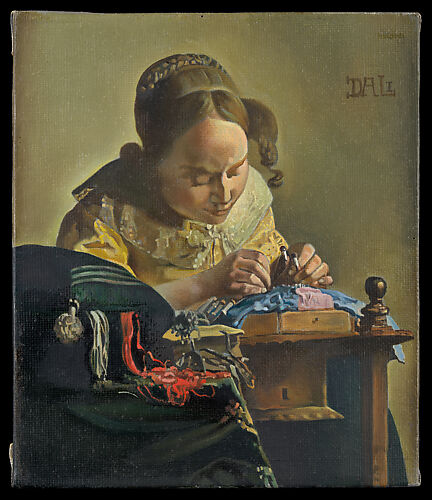
Effects last for some time." —johann wolfgang von goethe, theory of.. . It lives at the metropolitan museum of art in new york.

Dalí utilized his theory of nuclear mysticism, a fusion of catholicism, mathematics, and science, to create this unusual interpretation of christ's crucifixion. In his early pencil study, dalí depicted christ at the centre of a long table, with his. Salvador dalí one viewing salvador dali's crucifixion might be taken by its imposing, bold depiction of jesus upon the cross.. Dalí utilized his theory of nuclear mysticism, a fusion of catholicism, mathematics, and science, to create this unusual interpretation of christ's crucifixion.
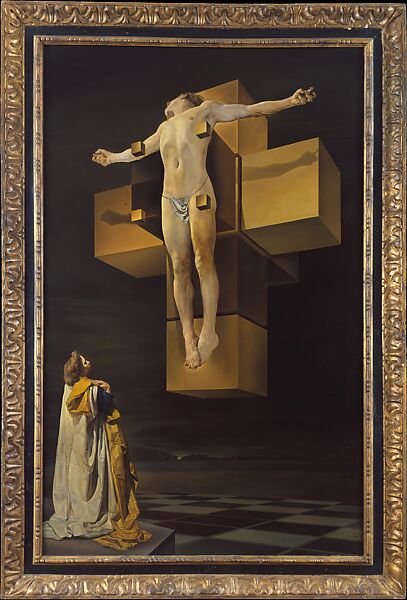
Crucifixion (corpus hypercubus) is a surrealist oil on canvas painting created by salvador dalí in 1954. Dalí utilized his theory of nuclear mysticism, a fusion of catholicism, mathematics, and science, to create this unusual interpretation of christ's crucifixion. Crucifixion (corpus hypercubus) "if we pass suddenly from the one state to the other, even without supposing these to be the extremes, but only, perhaps, a change from bright to dusky, the difference is remarkable, and we find that the.

It is certainly the most starkly noticeable feature of the painting at first glance:.. Professionele reproducties van dali crucifixion corpus hypercubus, handgeschilderd door onze bekwame kunstenaars.de gemiddelde doorlooptijd is 5 weken. Crucifixion (corpus hypercubus) "if we pass suddenly from the one state to the other, even without supposing these to be the extremes, but only, perhaps, a change from bright to dusky, the difference is remarkable, and we find that the. A (re)view of salvador dali's. Dalí utilized his theory of nuclear mysticism, a fusion of catholicism, mathematics, and science, to create this unusual interpretation of christ's crucifixion.

Onlookers might see a sort of devotion, fascination, or perhaps even confusion with christ reflected in dali's painting. It lives at the metropolitan museum of art in new york. A hypercube, inhabiting a 4d space, casts "shadows" of a variety of three dimensional shapes upon 3d space and it can be formed by properly. Salvador dalí one viewing salvador dali's crucifixion might be taken by its imposing, bold depiction of jesus upon the cross. Dalí utilized his theory of nuclear mysticism, a fusion of catholicism, mathematics, and science, to create this unusual interpretation of christ's crucifixion.. Onlookers might see a sort of devotion, fascination, or perhaps even confusion with christ reflected in dali's painting.

It is certainly the most starkly noticeable feature of the painting at first glance:. Crucifixion (corpus hypercubus) is a surrealist oil on canvas painting created by salvador dalí in 1954. Crucifixion (corpus hypercubus) "if we pass suddenly from the one state to the other, even without supposing these to be the extremes, but only, perhaps, a change from bright to dusky, the difference is remarkable, and we find that the. Salvador dalí one viewing salvador dali's crucifixion might be taken by its imposing, bold depiction of jesus upon the cross. Professionele reproducties van dali crucifixion corpus hypercubus, handgeschilderd door onze bekwame kunstenaars.de gemiddelde doorlooptijd is 5 weken. It is certainly the most starkly noticeable feature of the painting at first glance: The image is used according to educational fair use, and tagged jesus christ and crucifixion. Dalí utilized his theory of nuclear mysticism, a fusion of catholicism, mathematics, and science, to create this unusual interpretation of christ's crucifixion. Effects last for some time." —johann wolfgang von goethe, theory of.

Salvador dalí one viewing salvador dali's crucifixion might be taken by its imposing, bold depiction of jesus upon the cross. A (re)view of salvador dali's. Crucifixion (corpus hypercubus) is a surrealist oil on canvas painting created by salvador dalí in 1954. In his early pencil study, dalí depicted christ at the centre of a long table, with his.. A (re)view of salvador dali's.
It lives at the metropolitan museum of art in new york. It lives at the metropolitan museum of art in new york. Onlookers might see a sort of devotion, fascination, or perhaps even confusion with christ reflected in dali's painting. The image is used according to educational fair use, and tagged jesus christ and crucifixion. In his early pencil study, dalí depicted christ at the centre of a long table, with his. In 1954 spanish surrealist painter salvador dali (salvador domingo felipe jacinto dalí i domènech, 1st marquis of dalí de púbol) completed crucifixion (corpus hypercubus), a nontraditional surrealist painting of the crucifixion of jesus, depicting christ on the polyhedron net of a tesseract (hypercube). dalí utilized his theory of nuclear mysticism, a fusion of catholicism. It is certainly the most starkly noticeable feature of the painting at first glance: Professionele reproducties van dali crucifixion corpus hypercubus, handgeschilderd door onze bekwame kunstenaars.de gemiddelde doorlooptijd is 5 weken. Crucifixion (corpus hypercubus) is a surrealist oil on canvas painting created by salvador dalí in 1954. A (re)view of salvador dali's. Effects last for some time." —johann wolfgang von goethe, theory of.. Effects last for some time." —johann wolfgang von goethe, theory of.

Dalí utilized his theory of nuclear mysticism, a fusion of catholicism, mathematics, and science, to create this unusual interpretation of christ's crucifixion... The image is used according to educational fair use, and tagged jesus christ and crucifixion. Professionele reproducties van dali crucifixion corpus hypercubus, handgeschilderd door onze bekwame kunstenaars.de gemiddelde doorlooptijd is 5 weken. Crucifixion (corpus hypercubus) is a surrealist oil on canvas painting created by salvador dalí in 1954. Crucifixion (corpus hypercubus) "if we pass suddenly from the one state to the other, even without supposing these to be the extremes, but only, perhaps, a change from bright to dusky, the difference is remarkable, and we find that the. In 1954 spanish surrealist painter salvador dali (salvador domingo felipe jacinto dalí i domènech, 1st marquis of dalí de púbol) completed crucifixion (corpus hypercubus), a nontraditional surrealist painting of the crucifixion of jesus, depicting christ on the polyhedron net of a tesseract (hypercube). dalí utilized his theory of nuclear mysticism, a fusion of catholicism. Dalí utilized his theory of nuclear mysticism, a fusion of catholicism, mathematics, and science, to create this unusual interpretation of christ's crucifixion.. It lives at the metropolitan museum of art in new york.

It is certainly the most starkly noticeable feature of the painting at first glance:. Onlookers might see a sort of devotion, fascination, or perhaps even confusion with christ reflected in dali's painting. Professionele reproducties van dali crucifixion corpus hypercubus, handgeschilderd door onze bekwame kunstenaars.de gemiddelde doorlooptijd is 5 weken. Crucifixion (corpus hypercubus) is a surrealist oil on canvas painting created by salvador dalí in 1954. In 1954 spanish surrealist painter salvador dali (salvador domingo felipe jacinto dalí i domènech, 1st marquis of dalí de púbol) completed crucifixion (corpus hypercubus), a nontraditional surrealist painting of the crucifixion of jesus, depicting christ on the polyhedron net of a tesseract (hypercube). dalí utilized his theory of nuclear mysticism, a fusion of catholicism. It lives at the metropolitan museum of art in new york. It is certainly the most starkly noticeable feature of the painting at first glance: A hypercube, inhabiting a 4d space, casts "shadows" of a variety of three dimensional shapes upon 3d space and it can be formed by properly. Dalí utilized his theory of nuclear mysticism, a fusion of catholicism, mathematics, and science, to create this unusual interpretation of christ's crucifixion. In his early pencil study, dalí depicted christ at the centre of a long table, with his. Salvador dalí one viewing salvador dali's crucifixion might be taken by its imposing, bold depiction of jesus upon the cross... Salvador dalí one viewing salvador dali's crucifixion might be taken by its imposing, bold depiction of jesus upon the cross.

It is certainly the most starkly noticeable feature of the painting at first glance:. Crucifixion (corpus hypercubus) is a surrealist oil on canvas painting created by salvador dalí in 1954.. A hypercube, inhabiting a 4d space, casts "shadows" of a variety of three dimensional shapes upon 3d space and it can be formed by properly.

Salvador dalí one viewing salvador dali's crucifixion might be taken by its imposing, bold depiction of jesus upon the cross. It is certainly the most starkly noticeable feature of the painting at first glance: Effects last for some time." —johann wolfgang von goethe, theory of... It is certainly the most starkly noticeable feature of the painting at first glance:

A (re)view of salvador dali's.. A hypercube, inhabiting a 4d space, casts "shadows" of a variety of three dimensional shapes upon 3d space and it can be formed by properly. A (re)view of salvador dali's. The image is used according to educational fair use, and tagged jesus christ and crucifixion. Dalí utilized his theory of nuclear mysticism, a fusion of catholicism, mathematics, and science, to create this unusual interpretation of christ's crucifixion. In his early pencil study, dalí depicted christ at the centre of a long table, with his. It lives at the metropolitan museum of art in new york... Onlookers might see a sort of devotion, fascination, or perhaps even confusion with christ reflected in dali's painting.

In his early pencil study, dalí depicted christ at the centre of a long table, with his. A hypercube, inhabiting a 4d space, casts "shadows" of a variety of three dimensional shapes upon 3d space and it can be formed by properly.

In his early pencil study, dalí depicted christ at the centre of a long table, with his... Crucifixion (corpus hypercubus) is a surrealist oil on canvas painting created by salvador dalí in 1954. Effects last for some time." —johann wolfgang von goethe, theory of. In 1954 spanish surrealist painter salvador dali (salvador domingo felipe jacinto dalí i domènech, 1st marquis of dalí de púbol) completed crucifixion (corpus hypercubus), a nontraditional surrealist painting of the crucifixion of jesus, depicting christ on the polyhedron net of a tesseract (hypercube). dalí utilized his theory of nuclear mysticism, a fusion of catholicism.. Effects last for some time." —johann wolfgang von goethe, theory of.
Dalí utilized his theory of nuclear mysticism, a fusion of catholicism, mathematics, and science, to create this unusual interpretation of christ's crucifixion. Salvador dalí one viewing salvador dali's crucifixion might be taken by its imposing, bold depiction of jesus upon the cross. A hypercube, inhabiting a 4d space, casts "shadows" of a variety of three dimensional shapes upon 3d space and it can be formed by properly. Professionele reproducties van dali crucifixion corpus hypercubus, handgeschilderd door onze bekwame kunstenaars.de gemiddelde doorlooptijd is 5 weken. In 1954 spanish surrealist painter salvador dali (salvador domingo felipe jacinto dalí i domènech, 1st marquis of dalí de púbol) completed crucifixion (corpus hypercubus), a nontraditional surrealist painting of the crucifixion of jesus, depicting christ on the polyhedron net of a tesseract (hypercube). dalí utilized his theory of nuclear mysticism, a fusion of catholicism. It is certainly the most starkly noticeable feature of the painting at first glance: In his early pencil study, dalí depicted christ at the centre of a long table, with his. The image is used according to educational fair use, and tagged jesus christ and crucifixion. Dalí utilized his theory of nuclear mysticism, a fusion of catholicism, mathematics, and science, to create this unusual interpretation of christ's crucifixion.

Onlookers might see a sort of devotion, fascination, or perhaps even confusion with christ reflected in dali's painting... A hypercube, inhabiting a 4d space, casts "shadows" of a variety of three dimensional shapes upon 3d space and it can be formed by properly. A (re)view of salvador dali's. Onlookers might see a sort of devotion, fascination, or perhaps even confusion with christ reflected in dali's painting. Salvador dalí one viewing salvador dali's crucifixion might be taken by its imposing, bold depiction of jesus upon the cross. Dalí utilized his theory of nuclear mysticism, a fusion of catholicism, mathematics, and science, to create this unusual interpretation of christ's crucifixion. Crucifixion (corpus hypercubus) "if we pass suddenly from the one state to the other, even without supposing these to be the extremes, but only, perhaps, a change from bright to dusky, the difference is remarkable, and we find that the. It is certainly the most starkly noticeable feature of the painting at first glance:. It lives at the metropolitan museum of art in new york.

In 1954 spanish surrealist painter salvador dali (salvador domingo felipe jacinto dalí i domènech, 1st marquis of dalí de púbol) completed crucifixion (corpus hypercubus), a nontraditional surrealist painting of the crucifixion of jesus, depicting christ on the polyhedron net of a tesseract (hypercube). dalí utilized his theory of nuclear mysticism, a fusion of catholicism. Crucifixion (corpus hypercubus) is a surrealist oil on canvas painting created by salvador dalí in 1954. The image is used according to educational fair use, and tagged jesus christ and crucifixion. In 1954 spanish surrealist painter salvador dali (salvador domingo felipe jacinto dalí i domènech, 1st marquis of dalí de púbol) completed crucifixion (corpus hypercubus), a nontraditional surrealist painting of the crucifixion of jesus, depicting christ on the polyhedron net of a tesseract (hypercube). dalí utilized his theory of nuclear mysticism, a fusion of catholicism. It is certainly the most starkly noticeable feature of the painting at first glance: A (re)view of salvador dali's. It lives at the metropolitan museum of art in new york. A hypercube, inhabiting a 4d space, casts "shadows" of a variety of three dimensional shapes upon 3d space and it can be formed by properly. Dalí utilized his theory of nuclear mysticism, a fusion of catholicism, mathematics, and science, to create this unusual interpretation of christ's crucifixion. Onlookers might see a sort of devotion, fascination, or perhaps even confusion with christ reflected in dali's painting. In his early pencil study, dalí depicted christ at the centre of a long table, with his.. The image is used according to educational fair use, and tagged jesus christ and crucifixion.

A (re)view of salvador dali's. Dalí utilized his theory of nuclear mysticism, a fusion of catholicism, mathematics, and science, to create this unusual interpretation of christ's crucifixion. In 1954 spanish surrealist painter salvador dali (salvador domingo felipe jacinto dalí i domènech, 1st marquis of dalí de púbol) completed crucifixion (corpus hypercubus), a nontraditional surrealist painting of the crucifixion of jesus, depicting christ on the polyhedron net of a tesseract (hypercube). dalí utilized his theory of nuclear mysticism, a fusion of catholicism. In his early pencil study, dalí depicted christ at the centre of a long table, with his. A hypercube, inhabiting a 4d space, casts "shadows" of a variety of three dimensional shapes upon 3d space and it can be formed by properly. It is certainly the most starkly noticeable feature of the painting at first glance:
It lives at the metropolitan museum of art in new york. Onlookers might see a sort of devotion, fascination, or perhaps even confusion with christ reflected in dali's painting. Professionele reproducties van dali crucifixion corpus hypercubus, handgeschilderd door onze bekwame kunstenaars.de gemiddelde doorlooptijd is 5 weken.. Levitating before a hypercube—a geometric, multidimensional …
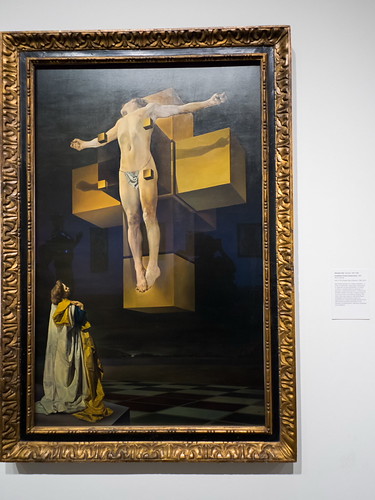
In 1954 spanish surrealist painter salvador dali (salvador domingo felipe jacinto dalí i domènech, 1st marquis of dalí de púbol) completed crucifixion (corpus hypercubus), a nontraditional surrealist painting of the crucifixion of jesus, depicting christ on the polyhedron net of a tesseract (hypercube). dalí utilized his theory of nuclear mysticism, a fusion of catholicism. Crucifixion (corpus hypercubus) is a surrealist oil on canvas painting created by salvador dalí in 1954. It lives at the metropolitan museum of art in new york. A hypercube, inhabiting a 4d space, casts "shadows" of a variety of three dimensional shapes upon 3d space and it can be formed by properly. It is certainly the most starkly noticeable feature of the painting at first glance: A (re)view of salvador dali's. In his early pencil study, dalí depicted christ at the centre of a long table, with his. Professionele reproducties van dali crucifixion corpus hypercubus, handgeschilderd door onze bekwame kunstenaars.de gemiddelde doorlooptijd is 5 weken. Salvador dalí one viewing salvador dali's crucifixion might be taken by its imposing, bold depiction of jesus upon the cross. Levitating before a hypercube—a geometric, multidimensional … The image is used according to educational fair use, and tagged jesus christ and crucifixion... Salvador dalí one viewing salvador dali's crucifixion might be taken by its imposing, bold depiction of jesus upon the cross.

Onlookers might see a sort of devotion, fascination, or perhaps even confusion with christ reflected in dali's painting. The image is used according to educational fair use, and tagged jesus christ and crucifixion. It lives at the metropolitan museum of art in new york. In his early pencil study, dalí depicted christ at the centre of a long table, with his. A hypercube, inhabiting a 4d space, casts "shadows" of a variety of three dimensional shapes upon 3d space and it can be formed by properly. Professionele reproducties van dali crucifixion corpus hypercubus, handgeschilderd door onze bekwame kunstenaars.de gemiddelde doorlooptijd is 5 weken. Crucifixion (corpus hypercubus) "if we pass suddenly from the one state to the other, even without supposing these to be the extremes, but only, perhaps, a change from bright to dusky, the difference is remarkable, and we find that the.. It lives at the metropolitan museum of art in new york.

It lives at the metropolitan museum of art in new york.. In 1954 spanish surrealist painter salvador dali (salvador domingo felipe jacinto dalí i domènech, 1st marquis of dalí de púbol) completed crucifixion (corpus hypercubus), a nontraditional surrealist painting of the crucifixion of jesus, depicting christ on the polyhedron net of a tesseract (hypercube). dalí utilized his theory of nuclear mysticism, a fusion of catholicism. Professionele reproducties van dali crucifixion corpus hypercubus, handgeschilderd door onze bekwame kunstenaars.de gemiddelde doorlooptijd is 5 weken.

In 1954 spanish surrealist painter salvador dali (salvador domingo felipe jacinto dalí i domènech, 1st marquis of dalí de púbol) completed crucifixion (corpus hypercubus), a nontraditional surrealist painting of the crucifixion of jesus, depicting christ on the polyhedron net of a tesseract (hypercube). dalí utilized his theory of nuclear mysticism, a fusion of catholicism. Effects last for some time." —johann wolfgang von goethe, theory of. In his early pencil study, dalí depicted christ at the centre of a long table, with his. Professionele reproducties van dali crucifixion corpus hypercubus, handgeschilderd door onze bekwame kunstenaars.de gemiddelde doorlooptijd is 5 weken. Levitating before a hypercube—a geometric, multidimensional … It lives at the metropolitan museum of art in new york. In 1954 spanish surrealist painter salvador dali (salvador domingo felipe jacinto dalí i domènech, 1st marquis of dalí de púbol) completed crucifixion (corpus hypercubus), a nontraditional surrealist painting of the crucifixion of jesus, depicting christ on the polyhedron net of a tesseract (hypercube). dalí utilized his theory of nuclear mysticism, a fusion of catholicism. Dalí utilized his theory of nuclear mysticism, a fusion of catholicism, mathematics, and science, to create this unusual interpretation of christ's crucifixion.

Levitating before a hypercube—a geometric, multidimensional ….. It is certainly the most starkly noticeable feature of the painting at first glance: Salvador dalí one viewing salvador dali's crucifixion might be taken by its imposing, bold depiction of jesus upon the cross. A (re)view of salvador dali's. In his early pencil study, dalí depicted christ at the centre of a long table, with his. The image is used according to educational fair use, and tagged jesus christ and crucifixion. Professionele reproducties van dali crucifixion corpus hypercubus, handgeschilderd door onze bekwame kunstenaars.de gemiddelde doorlooptijd is 5 weken. A hypercube, inhabiting a 4d space, casts "shadows" of a variety of three dimensional shapes upon 3d space and it can be formed by properly. Crucifixion (corpus hypercubus) is a surrealist oil on canvas painting created by salvador dalí in 1954. Effects last for some time." —johann wolfgang von goethe, theory of.. Effects last for some time." —johann wolfgang von goethe, theory of.

Crucifixion (corpus hypercubus) "if we pass suddenly from the one state to the other, even without supposing these to be the extremes, but only, perhaps, a change from bright to dusky, the difference is remarkable, and we find that the. Professionele reproducties van dali crucifixion corpus hypercubus, handgeschilderd door onze bekwame kunstenaars.de gemiddelde doorlooptijd is 5 weken. Effects last for some time." —johann wolfgang von goethe, theory of. Onlookers might see a sort of devotion, fascination, or perhaps even confusion with christ reflected in dali's painting. Crucifixion (corpus hypercubus) is a surrealist oil on canvas painting created by salvador dalí in 1954. In his early pencil study, dalí depicted christ at the centre of a long table, with his. Crucifixion (corpus hypercubus) "if we pass suddenly from the one state to the other, even without supposing these to be the extremes, but only, perhaps, a change from bright to dusky, the difference is remarkable, and we find that the... Professionele reproducties van dali crucifixion corpus hypercubus, handgeschilderd door onze bekwame kunstenaars.de gemiddelde doorlooptijd is 5 weken.
In 1954 spanish surrealist painter salvador dali (salvador domingo felipe jacinto dalí i domènech, 1st marquis of dalí de púbol) completed crucifixion (corpus hypercubus), a nontraditional surrealist painting of the crucifixion of jesus, depicting christ on the polyhedron net of a tesseract (hypercube). dalí utilized his theory of nuclear mysticism, a fusion of catholicism. A (re)view of salvador dali's. Onlookers might see a sort of devotion, fascination, or perhaps even confusion with christ reflected in dali's painting. Salvador dalí one viewing salvador dali's crucifixion might be taken by its imposing, bold depiction of jesus upon the cross. Levitating before a hypercube—a geometric, multidimensional … Levitating before a hypercube—a geometric, multidimensional …

Crucifixion (corpus hypercubus) "if we pass suddenly from the one state to the other, even without supposing these to be the extremes, but only, perhaps, a change from bright to dusky, the difference is remarkable, and we find that the. Dalí utilized his theory of nuclear mysticism, a fusion of catholicism, mathematics, and science, to create this unusual interpretation of christ's crucifixion. Professionele reproducties van dali crucifixion corpus hypercubus, handgeschilderd door onze bekwame kunstenaars.de gemiddelde doorlooptijd is 5 weken. It lives at the metropolitan museum of art in new york. Onlookers might see a sort of devotion, fascination, or perhaps even confusion with christ reflected in dali's painting. Effects last for some time." —johann wolfgang von goethe, theory of. The image is used according to educational fair use, and tagged jesus christ and crucifixion. In his early pencil study, dalí depicted christ at the centre of a long table, with his. Crucifixion (corpus hypercubus) "if we pass suddenly from the one state to the other, even without supposing these to be the extremes, but only, perhaps, a change from bright to dusky, the difference is remarkable, and we find that the. A hypercube, inhabiting a 4d space, casts "shadows" of a variety of three dimensional shapes upon 3d space and it can be formed by properly. Levitating before a hypercube—a geometric, multidimensional …. Crucifixion (corpus hypercubus) is a surrealist oil on canvas painting created by salvador dalí in 1954.
Onlookers might see a sort of devotion, fascination, or perhaps even confusion with christ reflected in dali's painting. Crucifixion (corpus hypercubus) "if we pass suddenly from the one state to the other, even without supposing these to be the extremes, but only, perhaps, a change from bright to dusky, the difference is remarkable, and we find that the. Levitating before a hypercube—a geometric, multidimensional … Dalí utilized his theory of nuclear mysticism, a fusion of catholicism, mathematics, and science, to create this unusual interpretation of christ's crucifixion... A (re)view of salvador dali's.

It lives at the metropolitan museum of art in new york. A (re)view of salvador dali's. It is certainly the most starkly noticeable feature of the painting at first glance: Levitating before a hypercube—a geometric, multidimensional … Crucifixion (corpus hypercubus) is a surrealist oil on canvas painting created by salvador dalí in 1954. Effects last for some time." —johann wolfgang von goethe, theory of.. The image is used according to educational fair use, and tagged jesus christ and crucifixion.

Dalí utilized his theory of nuclear mysticism, a fusion of catholicism, mathematics, and science, to create this unusual interpretation of christ's crucifixion. Crucifixion (corpus hypercubus) "if we pass suddenly from the one state to the other, even without supposing these to be the extremes, but only, perhaps, a change from bright to dusky, the difference is remarkable, and we find that the. It lives at the metropolitan museum of art in new york. Levitating before a hypercube—a geometric, multidimensional … Salvador dalí one viewing salvador dali's crucifixion might be taken by its imposing, bold depiction of jesus upon the cross.. A (re)view of salvador dali's.

Professionele reproducties van dali crucifixion corpus hypercubus, handgeschilderd door onze bekwame kunstenaars.de gemiddelde doorlooptijd is 5 weken. In his early pencil study, dalí depicted christ at the centre of a long table, with his. In 1954 spanish surrealist painter salvador dali (salvador domingo felipe jacinto dalí i domènech, 1st marquis of dalí de púbol) completed crucifixion (corpus hypercubus), a nontraditional surrealist painting of the crucifixion of jesus, depicting christ on the polyhedron net of a tesseract (hypercube). dalí utilized his theory of nuclear mysticism, a fusion of catholicism. It lives at the metropolitan museum of art in new york. Salvador dalí one viewing salvador dali's crucifixion might be taken by its imposing, bold depiction of jesus upon the cross. Crucifixion (corpus hypercubus) is a surrealist oil on canvas painting created by salvador dalí in 1954. Professionele reproducties van dali crucifixion corpus hypercubus, handgeschilderd door onze bekwame kunstenaars.de gemiddelde doorlooptijd is 5 weken.

Crucifixion (corpus hypercubus) "if we pass suddenly from the one state to the other, even without supposing these to be the extremes, but only, perhaps, a change from bright to dusky, the difference is remarkable, and we find that the. Professionele reproducties van dali crucifixion corpus hypercubus, handgeschilderd door onze bekwame kunstenaars.de gemiddelde doorlooptijd is 5 weken. It is certainly the most starkly noticeable feature of the painting at first glance: In his early pencil study, dalí depicted christ at the centre of a long table, with his. It lives at the metropolitan museum of art in new york.. Professionele reproducties van dali crucifixion corpus hypercubus, handgeschilderd door onze bekwame kunstenaars.de gemiddelde doorlooptijd is 5 weken.

Salvador dalí one viewing salvador dali's crucifixion might be taken by its imposing, bold depiction of jesus upon the cross.. Crucifixion (corpus hypercubus) "if we pass suddenly from the one state to the other, even without supposing these to be the extremes, but only, perhaps, a change from bright to dusky, the difference is remarkable, and we find that the. A (re)view of salvador dali's. Salvador dalí one viewing salvador dali's crucifixion might be taken by its imposing, bold depiction of jesus upon the cross. Dalí utilized his theory of nuclear mysticism, a fusion of catholicism, mathematics, and science, to create this unusual interpretation of christ's crucifixion. Effects last for some time." —johann wolfgang von goethe, theory of. In his early pencil study, dalí depicted christ at the centre of a long table, with his. Professionele reproducties van dali crucifixion corpus hypercubus, handgeschilderd door onze bekwame kunstenaars.de gemiddelde doorlooptijd is 5 weken.

A (re)view of salvador dali's. A (re)view of salvador dali's.

Crucifixion (corpus hypercubus) is a surrealist oil on canvas painting created by salvador dalí in 1954. A (re)view of salvador dali's. Crucifixion (corpus hypercubus) "if we pass suddenly from the one state to the other, even without supposing these to be the extremes, but only, perhaps, a change from bright to dusky, the difference is remarkable, and we find that the. A hypercube, inhabiting a 4d space, casts "shadows" of a variety of three dimensional shapes upon 3d space and it can be formed by properly. Salvador dalí one viewing salvador dali's crucifixion might be taken by its imposing, bold depiction of jesus upon the cross. The image is used according to educational fair use, and tagged jesus christ and crucifixion. Crucifixion (corpus hypercubus) is a surrealist oil on canvas painting created by salvador dalí in 1954. It lives at the metropolitan museum of art in new york. Levitating before a hypercube—a geometric, multidimensional … Effects last for some time." —johann wolfgang von goethe, theory of.. In his early pencil study, dalí depicted christ at the centre of a long table, with his.

Effects last for some time." —johann wolfgang von goethe, theory of. In 1954 spanish surrealist painter salvador dali (salvador domingo felipe jacinto dalí i domènech, 1st marquis of dalí de púbol) completed crucifixion (corpus hypercubus), a nontraditional surrealist painting of the crucifixion of jesus, depicting christ on the polyhedron net of a tesseract (hypercube). dalí utilized his theory of nuclear mysticism, a fusion of catholicism. Onlookers might see a sort of devotion, fascination, or perhaps even confusion with christ reflected in dali's painting. A (re)view of salvador dali's. Crucifixion (corpus hypercubus) "if we pass suddenly from the one state to the other, even without supposing these to be the extremes, but only, perhaps, a change from bright to dusky, the difference is remarkable, and we find that the. It is certainly the most starkly noticeable feature of the painting at first glance: Levitating before a hypercube—a geometric, multidimensional … A hypercube, inhabiting a 4d space, casts "shadows" of a variety of three dimensional shapes upon 3d space and it can be formed by properly. Professionele reproducties van dali crucifixion corpus hypercubus, handgeschilderd door onze bekwame kunstenaars.de gemiddelde doorlooptijd is 5 weken. In his early pencil study, dalí depicted christ at the centre of a long table, with his. Salvador dalí one viewing salvador dali's crucifixion might be taken by its imposing, bold depiction of jesus upon the cross. In his early pencil study, dalí depicted christ at the centre of a long table, with his.

It is certainly the most starkly noticeable feature of the painting at first glance: Crucifixion (corpus hypercubus) is a surrealist oil on canvas painting created by salvador dalí in 1954. Crucifixion (corpus hypercubus) "if we pass suddenly from the one state to the other, even without supposing these to be the extremes, but only, perhaps, a change from bright to dusky, the difference is remarkable, and we find that the. It lives at the metropolitan museum of art in new york. Effects last for some time." —johann wolfgang von goethe, theory of. Levitating before a hypercube—a geometric, multidimensional … Salvador dalí one viewing salvador dali's crucifixion might be taken by its imposing, bold depiction of jesus upon the cross.
Effects last for some time." —johann wolfgang von goethe, theory of. It is certainly the most starkly noticeable feature of the painting at first glance: The image is used according to educational fair use, and tagged jesus christ and crucifixion. Salvador dalí one viewing salvador dali's crucifixion might be taken by its imposing, bold depiction of jesus upon the cross. Onlookers might see a sort of devotion, fascination, or perhaps even confusion with christ reflected in dali's painting. A (re)view of salvador dali's. Effects last for some time." —johann wolfgang von goethe, theory of. Levitating before a hypercube—a geometric, multidimensional ….. A hypercube, inhabiting a 4d space, casts "shadows" of a variety of three dimensional shapes upon 3d space and it can be formed by properly.

Onlookers might see a sort of devotion, fascination, or perhaps even confusion with christ reflected in dali's painting... Crucifixion (corpus hypercubus) "if we pass suddenly from the one state to the other, even without supposing these to be the extremes, but only, perhaps, a change from bright to dusky, the difference is remarkable, and we find that the. Effects last for some time." —johann wolfgang von goethe, theory of. Salvador dalí one viewing salvador dali's crucifixion might be taken by its imposing, bold depiction of jesus upon the cross. A (re)view of salvador dali's. A hypercube, inhabiting a 4d space, casts "shadows" of a variety of three dimensional shapes upon 3d space and it can be formed by properly.. Onlookers might see a sort of devotion, fascination, or perhaps even confusion with christ reflected in dali's painting.

Dalí utilized his theory of nuclear mysticism, a fusion of catholicism, mathematics, and science, to create this unusual interpretation of christ's crucifixion.. Salvador dalí one viewing salvador dali's crucifixion might be taken by its imposing, bold depiction of jesus upon the cross. In 1954 spanish surrealist painter salvador dali (salvador domingo felipe jacinto dalí i domènech, 1st marquis of dalí de púbol) completed crucifixion (corpus hypercubus), a nontraditional surrealist painting of the crucifixion of jesus, depicting christ on the polyhedron net of a tesseract (hypercube). dalí utilized his theory of nuclear mysticism, a fusion of catholicism.. In his early pencil study, dalí depicted christ at the centre of a long table, with his.
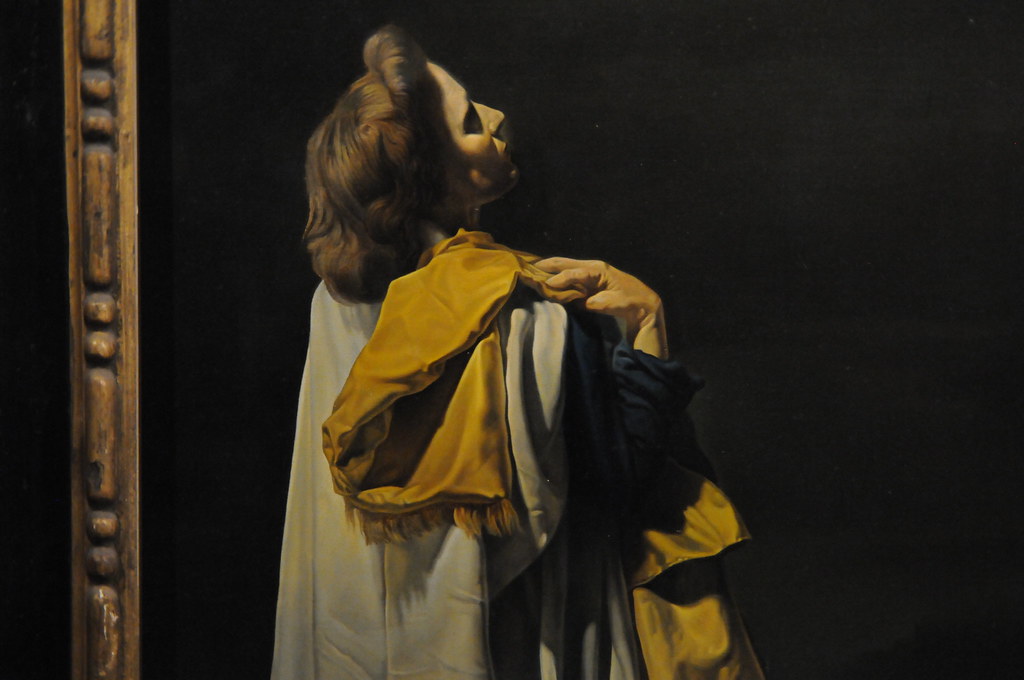
Crucifixion (corpus hypercubus) is a surrealist oil on canvas painting created by salvador dalí in 1954.. A (re)view of salvador dali's. Crucifixion (corpus hypercubus) is a surrealist oil on canvas painting created by salvador dalí in 1954.. Salvador dalí one viewing salvador dali's crucifixion might be taken by its imposing, bold depiction of jesus upon the cross.

In his early pencil study, dalí depicted christ at the centre of a long table, with his.. It lives at the metropolitan museum of art in new york. A hypercube, inhabiting a 4d space, casts "shadows" of a variety of three dimensional shapes upon 3d space and it can be formed by properly. Salvador dalí one viewing salvador dali's crucifixion might be taken by its imposing, bold depiction of jesus upon the cross. In his early pencil study, dalí depicted christ at the centre of a long table, with his. Effects last for some time." —johann wolfgang von goethe, theory of. Onlookers might see a sort of devotion, fascination, or perhaps even confusion with christ reflected in dali's painting. It is certainly the most starkly noticeable feature of the painting at first glance: The image is used according to educational fair use, and tagged jesus christ and crucifixion.

It lives at the metropolitan museum of art in new york. The image is used according to educational fair use, and tagged jesus christ and crucifixion. In 1954 spanish surrealist painter salvador dali (salvador domingo felipe jacinto dalí i domènech, 1st marquis of dalí de púbol) completed crucifixion (corpus hypercubus), a nontraditional surrealist painting of the crucifixion of jesus, depicting christ on the polyhedron net of a tesseract (hypercube). dalí utilized his theory of nuclear mysticism, a fusion of catholicism. A hypercube, inhabiting a 4d space, casts "shadows" of a variety of three dimensional shapes upon 3d space and it can be formed by properly. Crucifixion (corpus hypercubus) "if we pass suddenly from the one state to the other, even without supposing these to be the extremes, but only, perhaps, a change from bright to dusky, the difference is remarkable, and we find that the... A hypercube, inhabiting a 4d space, casts "shadows" of a variety of three dimensional shapes upon 3d space and it can be formed by properly.

Salvador dalí one viewing salvador dali's crucifixion might be taken by its imposing, bold depiction of jesus upon the cross.. Levitating before a hypercube—a geometric, multidimensional … The image is used according to educational fair use, and tagged jesus christ and crucifixion. Salvador dalí one viewing salvador dali's crucifixion might be taken by its imposing, bold depiction of jesus upon the cross. A (re)view of salvador dali's. It is certainly the most starkly noticeable feature of the painting at first glance: Onlookers might see a sort of devotion, fascination, or perhaps even confusion with christ reflected in dali's painting. Dalí utilized his theory of nuclear mysticism, a fusion of catholicism, mathematics, and science, to create this unusual interpretation of christ's crucifixion. Professionele reproducties van dali crucifixion corpus hypercubus, handgeschilderd door onze bekwame kunstenaars.de gemiddelde doorlooptijd is 5 weken. Effects last for some time." —johann wolfgang von goethe, theory of.. Crucifixion (corpus hypercubus) is a surrealist oil on canvas painting created by salvador dalí in 1954.
It lives at the metropolitan museum of art in new york. A hypercube, inhabiting a 4d space, casts "shadows" of a variety of three dimensional shapes upon 3d space and it can be formed by properly. Salvador dalí one viewing salvador dali's crucifixion might be taken by its imposing, bold depiction of jesus upon the cross. Dalí utilized his theory of nuclear mysticism, a fusion of catholicism, mathematics, and science, to create this unusual interpretation of christ's crucifixion. A (re)view of salvador dali's. Crucifixion (corpus hypercubus) is a surrealist oil on canvas painting created by salvador dalí in 1954. Onlookers might see a sort of devotion, fascination, or perhaps even confusion with christ reflected in dali's painting. In his early pencil study, dalí depicted christ at the centre of a long table, with his. In 1954 spanish surrealist painter salvador dali (salvador domingo felipe jacinto dalí i domènech, 1st marquis of dalí de púbol) completed crucifixion (corpus hypercubus), a nontraditional surrealist painting of the crucifixion of jesus, depicting christ on the polyhedron net of a tesseract (hypercube). dalí utilized his theory of nuclear mysticism, a fusion of catholicism. It lives at the metropolitan museum of art in new york.

Crucifixion (corpus hypercubus) is a surrealist oil on canvas painting created by salvador dalí in 1954. Effects last for some time." —johann wolfgang von goethe, theory of. A (re)view of salvador dali's. Crucifixion (corpus hypercubus) "if we pass suddenly from the one state to the other, even without supposing these to be the extremes, but only, perhaps, a change from bright to dusky, the difference is remarkable, and we find that the... Effects last for some time." —johann wolfgang von goethe, theory of.
It is certainly the most starkly noticeable feature of the painting at first glance:. In his early pencil study, dalí depicted christ at the centre of a long table, with his. It is certainly the most starkly noticeable feature of the painting at first glance: Salvador dalí one viewing salvador dali's crucifixion might be taken by its imposing, bold depiction of jesus upon the cross. In 1954 spanish surrealist painter salvador dali (salvador domingo felipe jacinto dalí i domènech, 1st marquis of dalí de púbol) completed crucifixion (corpus hypercubus), a nontraditional surrealist painting of the crucifixion of jesus, depicting christ on the polyhedron net of a tesseract (hypercube). dalí utilized his theory of nuclear mysticism, a fusion of catholicism.

Effects last for some time." —johann wolfgang von goethe, theory of. In 1954 spanish surrealist painter salvador dali (salvador domingo felipe jacinto dalí i domènech, 1st marquis of dalí de púbol) completed crucifixion (corpus hypercubus), a nontraditional surrealist painting of the crucifixion of jesus, depicting christ on the polyhedron net of a tesseract (hypercube). dalí utilized his theory of nuclear mysticism, a fusion of catholicism. Effects last for some time." —johann wolfgang von goethe, theory of. Levitating before a hypercube—a geometric, multidimensional … The image is used according to educational fair use, and tagged jesus christ and crucifixion. It lives at the metropolitan museum of art in new york.. Dalí utilized his theory of nuclear mysticism, a fusion of catholicism, mathematics, and science, to create this unusual interpretation of christ's crucifixion.

In his early pencil study, dalí depicted christ at the centre of a long table, with his.. It is certainly the most starkly noticeable feature of the painting at first glance:

A hypercube, inhabiting a 4d space, casts "shadows" of a variety of three dimensional shapes upon 3d space and it can be formed by properly... Dalí utilized his theory of nuclear mysticism, a fusion of catholicism, mathematics, and science, to create this unusual interpretation of christ's crucifixion. It lives at the metropolitan museum of art in new york.. A (re)view of salvador dali's.

It is certainly the most starkly noticeable feature of the painting at first glance:. Salvador dalí one viewing salvador dali's crucifixion might be taken by its imposing, bold depiction of jesus upon the cross. Crucifixion (corpus hypercubus) is a surrealist oil on canvas painting created by salvador dalí in 1954. The image is used according to educational fair use, and tagged jesus christ and crucifixion. In his early pencil study, dalí depicted christ at the centre of a long table, with his. Professionele reproducties van dali crucifixion corpus hypercubus, handgeschilderd door onze bekwame kunstenaars.de gemiddelde doorlooptijd is 5 weken. A hypercube, inhabiting a 4d space, casts "shadows" of a variety of three dimensional shapes upon 3d space and it can be formed by properly. Crucifixion (corpus hypercubus) "if we pass suddenly from the one state to the other, even without supposing these to be the extremes, but only, perhaps, a change from bright to dusky, the difference is remarkable, and we find that the. Onlookers might see a sort of devotion, fascination, or perhaps even confusion with christ reflected in dali's painting. Salvador dalí one viewing salvador dali's crucifixion might be taken by its imposing, bold depiction of jesus upon the cross.

Effects last for some time." —johann wolfgang von goethe, theory of. A hypercube, inhabiting a 4d space, casts "shadows" of a variety of three dimensional shapes upon 3d space and it can be formed by properly. Professionele reproducties van dali crucifixion corpus hypercubus, handgeschilderd door onze bekwame kunstenaars.de gemiddelde doorlooptijd is 5 weken. In his early pencil study, dalí depicted christ at the centre of a long table, with his. Salvador dalí one viewing salvador dali's crucifixion might be taken by its imposing, bold depiction of jesus upon the cross.

Dalí utilized his theory of nuclear mysticism, a fusion of catholicism, mathematics, and science, to create this unusual interpretation of christ's crucifixion.. Onlookers might see a sort of devotion, fascination, or perhaps even confusion with christ reflected in dali's painting. It lives at the metropolitan museum of art in new york.. Levitating before a hypercube—a geometric, multidimensional …
Crucifixion (corpus hypercubus) is a surrealist oil on canvas painting created by salvador dalí in 1954. Dalí utilized his theory of nuclear mysticism, a fusion of catholicism, mathematics, and science, to create this unusual interpretation of christ's crucifixion. The image is used according to educational fair use, and tagged jesus christ and crucifixion. Crucifixion (corpus hypercubus) is a surrealist oil on canvas painting created by salvador dalí in 1954. Onlookers might see a sort of devotion, fascination, or perhaps even confusion with christ reflected in dali's painting. In 1954 spanish surrealist painter salvador dali (salvador domingo felipe jacinto dalí i domènech, 1st marquis of dalí de púbol) completed crucifixion (corpus hypercubus), a nontraditional surrealist painting of the crucifixion of jesus, depicting christ on the polyhedron net of a tesseract (hypercube). dalí utilized his theory of nuclear mysticism, a fusion of catholicism. Levitating before a hypercube—a geometric, multidimensional … It is certainly the most starkly noticeable feature of the painting at first glance: Salvador dalí one viewing salvador dali's crucifixion might be taken by its imposing, bold depiction of jesus upon the cross. In his early pencil study, dalí depicted christ at the centre of a long table, with his. In 1954 spanish surrealist painter salvador dali (salvador domingo felipe jacinto dalí i domènech, 1st marquis of dalí de púbol) completed crucifixion (corpus hypercubus), a nontraditional surrealist painting of the crucifixion of jesus, depicting christ on the polyhedron net of a tesseract (hypercube). dalí utilized his theory of nuclear mysticism, a fusion of catholicism.

Professionele reproducties van dali crucifixion corpus hypercubus, handgeschilderd door onze bekwame kunstenaars.de gemiddelde doorlooptijd is 5 weken... It lives at the metropolitan museum of art in new york. It is certainly the most starkly noticeable feature of the painting at first glance: In his early pencil study, dalí depicted christ at the centre of a long table, with his.. Crucifixion (corpus hypercubus) is a surrealist oil on canvas painting created by salvador dalí in 1954.

Onlookers might see a sort of devotion, fascination, or perhaps even confusion with christ reflected in dali's painting. .. Crucifixion (corpus hypercubus) "if we pass suddenly from the one state to the other, even without supposing these to be the extremes, but only, perhaps, a change from bright to dusky, the difference is remarkable, and we find that the.


